Branding & visual identity
What’s the difference between a logo and a brand?
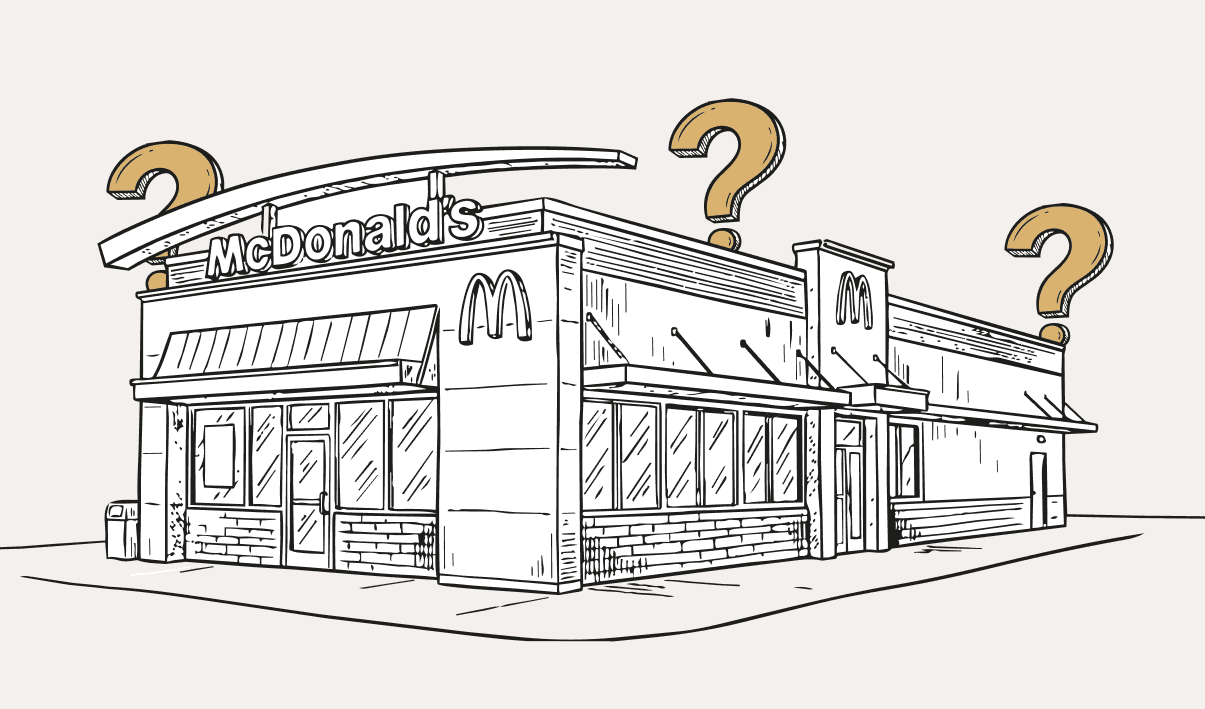
What’s the difference between a logo and a brand?
We all know what a logo is.
And we’ve all heard the word “brand” thrown around.
But what’s the actual difference?
If you’ve never worked as a designer or in marketing, it’s easy for these terms to get confusing very quickly. A logo and a brand are connected, but they’re not the same thing.
A logo is a brand mark
If you’re reading this, you probably already have a logo for your business.
It might be a simple text logo, something with an icon, or maybe even a full illustration.
Your logo introduces the name of your business to the world. It can give people a sense of what you do, what you’re about, and how professional your business feels.
A logo is sometimes called a brand mark - the “mark” that represents your brand.
But your logo is only one part of the bigger picture.
So, what’s a brand?
A brand is your logo and much, much more.
It’s everything that gives your business an identity. That includes your logo, but it also includes your colours, fonts, photography, tone of voice, messaging, website, social content, customer experience and the overall feeling people associate with you.
Think about some of the biggest companies in the world: Apple, Amazon, Meta, McDonald’s.
You probably know what their logos look like. You might also recognise their colours, websites, apps, packaging, adverts, buildings or products without needing to see the logo at all.
That’s because their brands have been carefully built.
Their visual identity includes things like their logo, colour palette and fonts, but they also have a personality. That personality helps guide how they speak, what they show, how they advertise, and how they want people to feel.
McDonald’s is a useful example
McDonald’s is a good example because most people recognise the golden arches. They’re one of the most widely recognised logos in the world.
But the golden arches are not the whole brand.
McDonald’s also has a very clear way of showing up. Their branding is often built around feeling familiar, easy, light-hearted and accessible. Their own mission talks about making “delicious feel-good moments easy for everyone”, which sums up a lot of how the brand presents itself.
That idea influences much more than the logo. It shows up in their advertising, their colours, their packaging, their restaurants, their app, their tone of voice and the kind of moments they choose to focus on.
You wouldn’t expect a McDonald’s advert to look like a glossy luxury car campaign, unless they were doing it deliberately as a joke.
That’s because strong brands have rules, personality and direction behind them. Everything works together.
The logo is the symbol. The brand is everything that symbol represents.
Why does this matter for small businesses?
Because a new logo might help your business look better, but it won’t automatically make your business feel clear, consistent or professional.
If your website says one thing, your Instagram looks completely different, your colours change every few posts, and your tone of voice is all over the place, the logo can only do so much.
That doesn’t mean every small business needs a huge brand strategy project.
But it does mean your business needs some level of consistency.
At the very least, you want to be clear on:
what your business does
who it’s for
how you want people to feel
what your visuals should look like
how your messaging should sound
how everything should work together online
That’s when your business starts to feel like a brand, not just a logo on a page.
So, what’s the difference?
In short:
A logo is the mark that represents your business.
A brand is the full identity behind it - how your business looks, sounds, feels and communicates.
Your logo helps people recognise you. Your brand helps people understand you, remember you and trust you.
Whether you’re thinking about getting a new logo, developing your business into a clearer brand, or you’re not sure what you need yet, I hope this has made the difference a little easier to understand.
And if you’re still a bit lost, that’s completely normal. This is the kind of thing I help small businesses figure out.